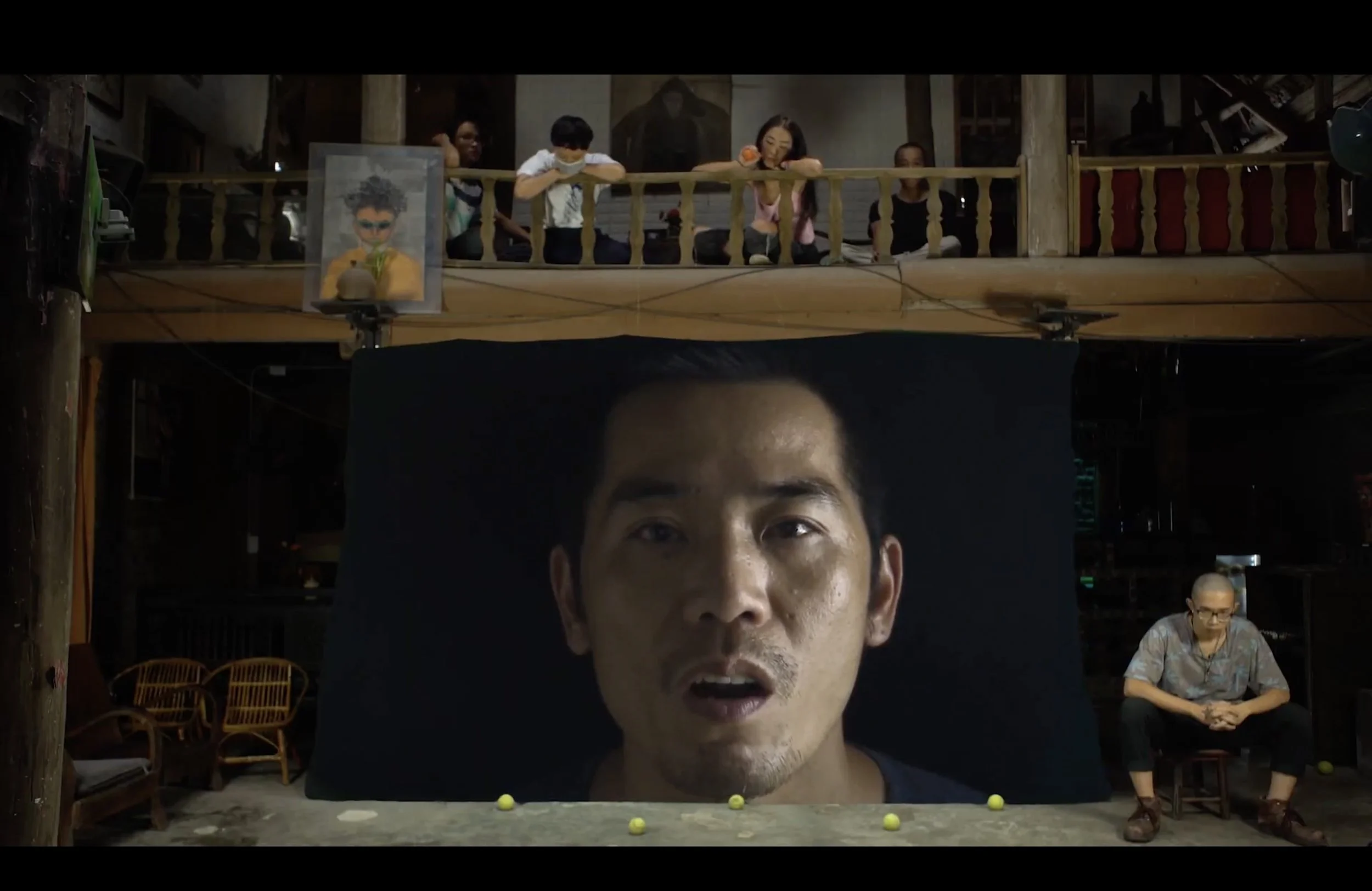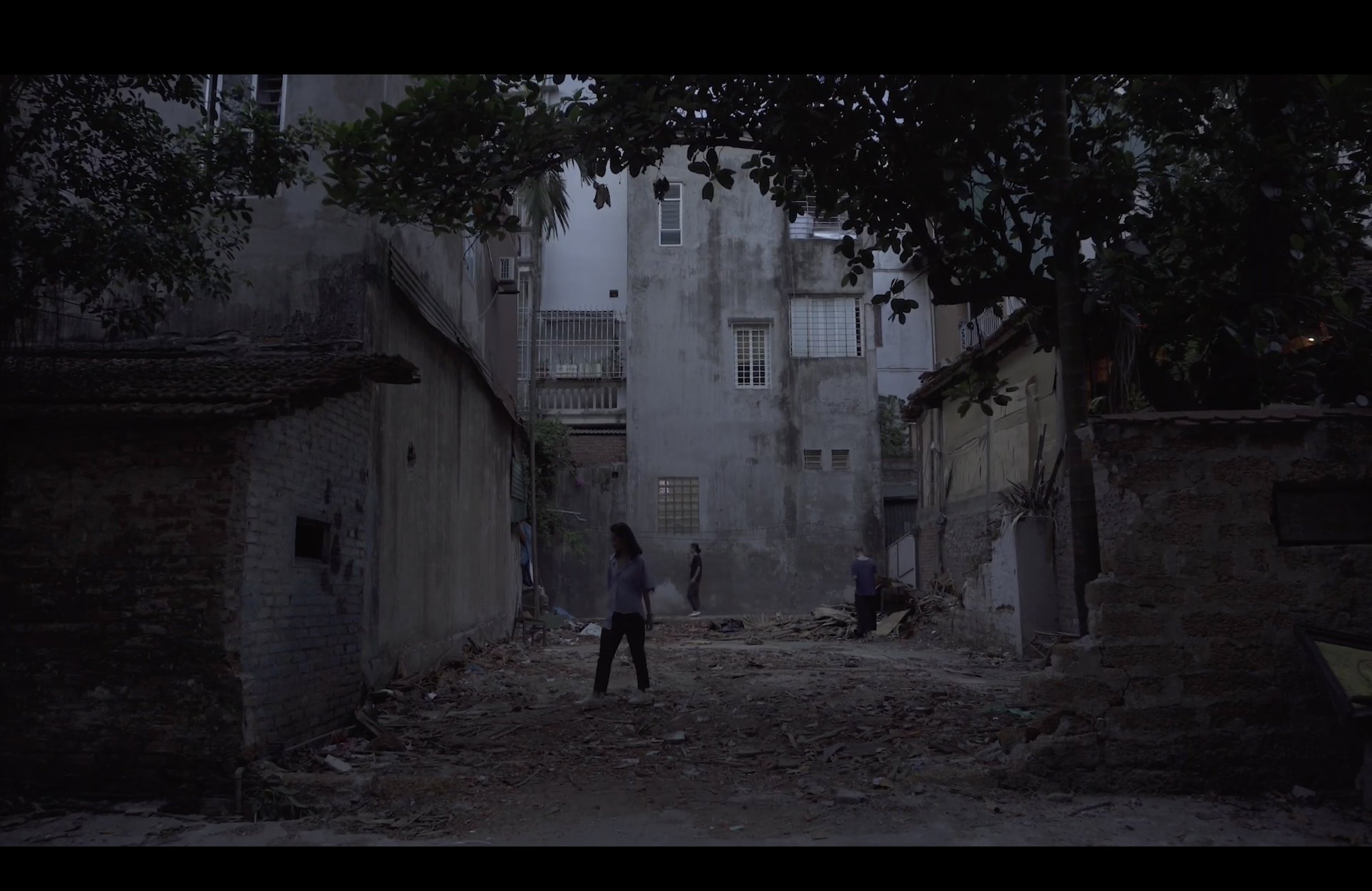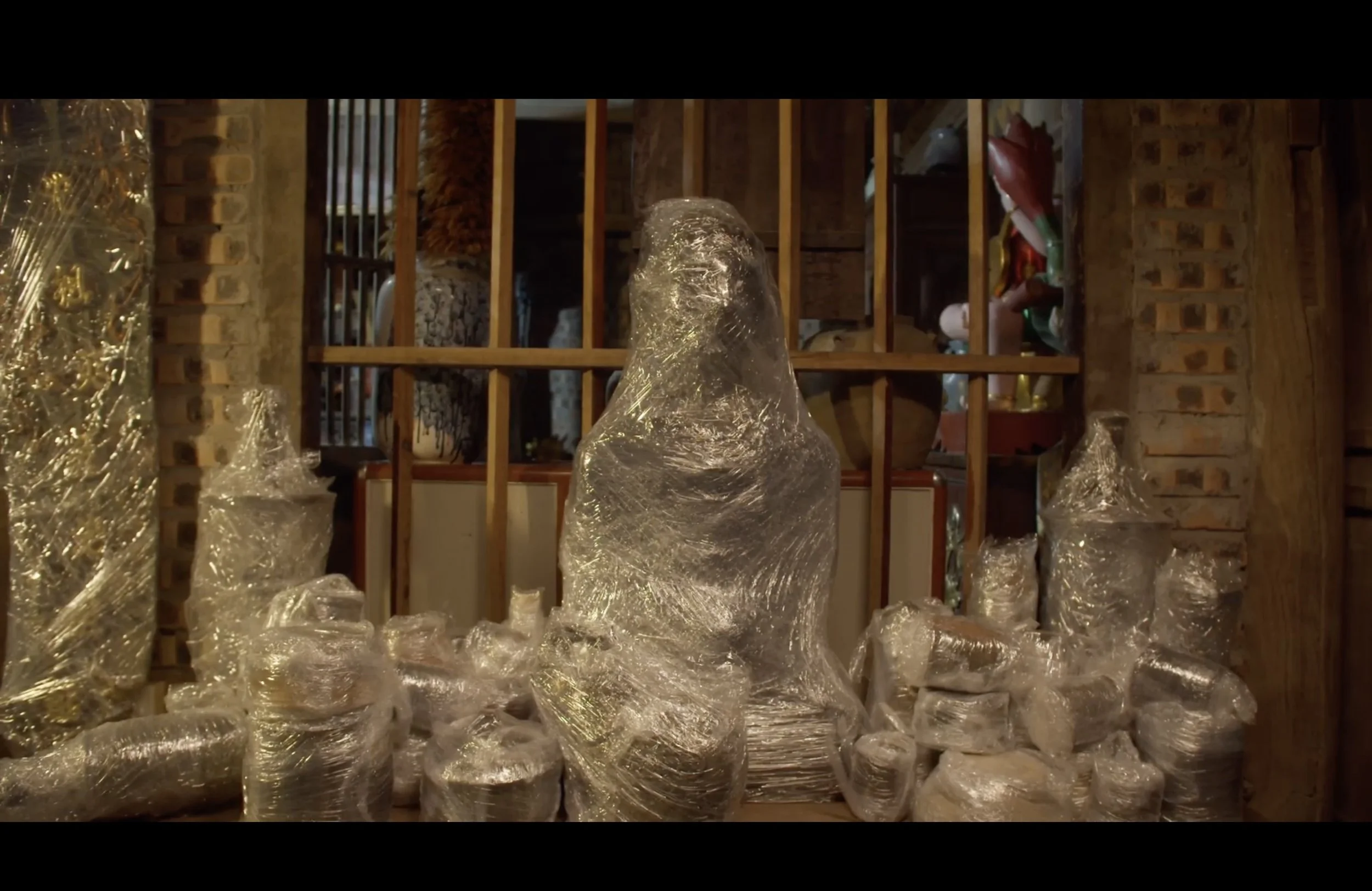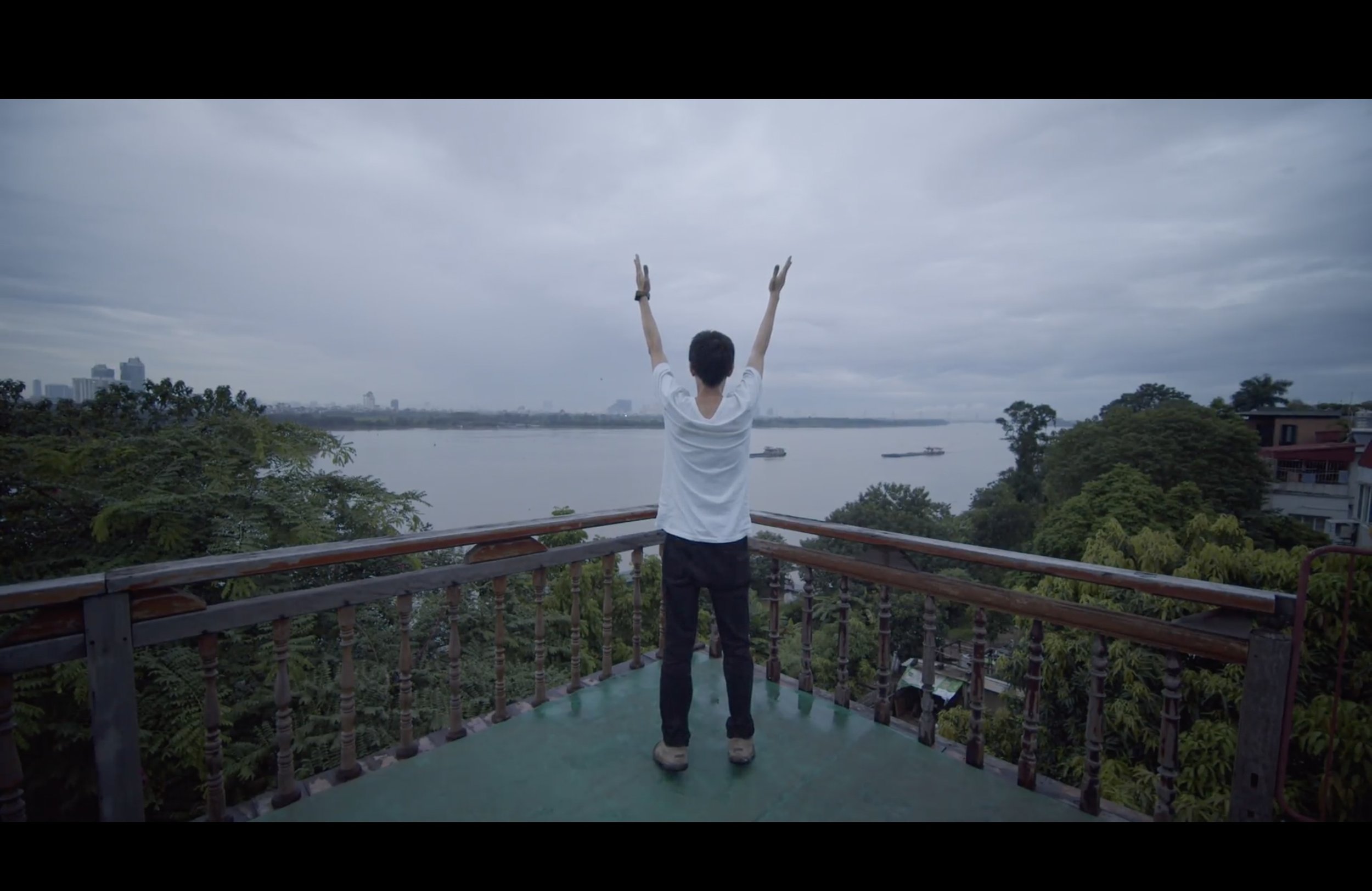
아시아 포럼은 동시대 아시아 실험영화의 현황을 국내에 소개하고 작품 교류와 다양한 연구자, 기획자와의 지속적인 연대를 기반으로 영화제의 기능을 확장시키기 위해 2009년 처음 개설되었다. 2026년에는 베트남 하노이를 기반으로 활동하는 독립 예술가 주도 공간이자 콜렉티브인 냐산 콜렉티브(Nhà Sàn Collective)를 소개한다. 국가 검열과 제도적 제약 속에서도 독립적 예술 생태계를 유지·확장해온 냐산 콜렉티브는 지역 기반의 네트워크 구축과 국제 교류를 병행하며, 동시대 베트남 실험예술의 중요한 거점 중 하나로 평가된다.
Asia Forum was established in 2009 to introduce the current landscape of experimental film in Asia to Korean audiences, and to expand the role of the festival through sustained exchange - both of works and of researchers and curators across the region. In 2026, the program presents Nhà Sàn Collective, an artist-run space and collective based in Hanoi, Vietnam. Working to maintain and expand an independent artistic ecosystem in the face of state censorship and institutional constraints, Nhà Sàn Collective pursues community-based network-building alongside international exchange, and is recognized as one of the key sites of contemporary experimental art in Vietnam.
눈을 깜빡일 때 어떤 이미지가 떠오르는가? 그것은 본다는 것과 보지 않는다는 것 사이에 머물러 있어 분명히 붙잡을 수도, 명확히 파악할 수도 없다. 아주 미세하고도 재빠른 움직임을 만들어내는 신체, 혹은 그 움직임이 멈추는 순간. 깜빡임은 반복되는 움직임이며, 매번 하나의 장면 전환이다.
BLINKING은 이번 EXiS의 초청으로 기획된 섹션으로, SLEEP AND BEHOLD와 함께 구성된 두 번째 섹션이다. SLEEP AND BEHOLD가 하노이의 Nhà Sàn Collective(NSC) 공동체 예술가들의 구체적인 창작 환경을 보여준다면, BLINKING은 바로 그 예술가들로부터 비롯된 다양한 이미지들의 스펙트럼을 통해, 오랜 시간 이어져 온 Nhà Sàn의 정신을 반향처럼 드러낸다.
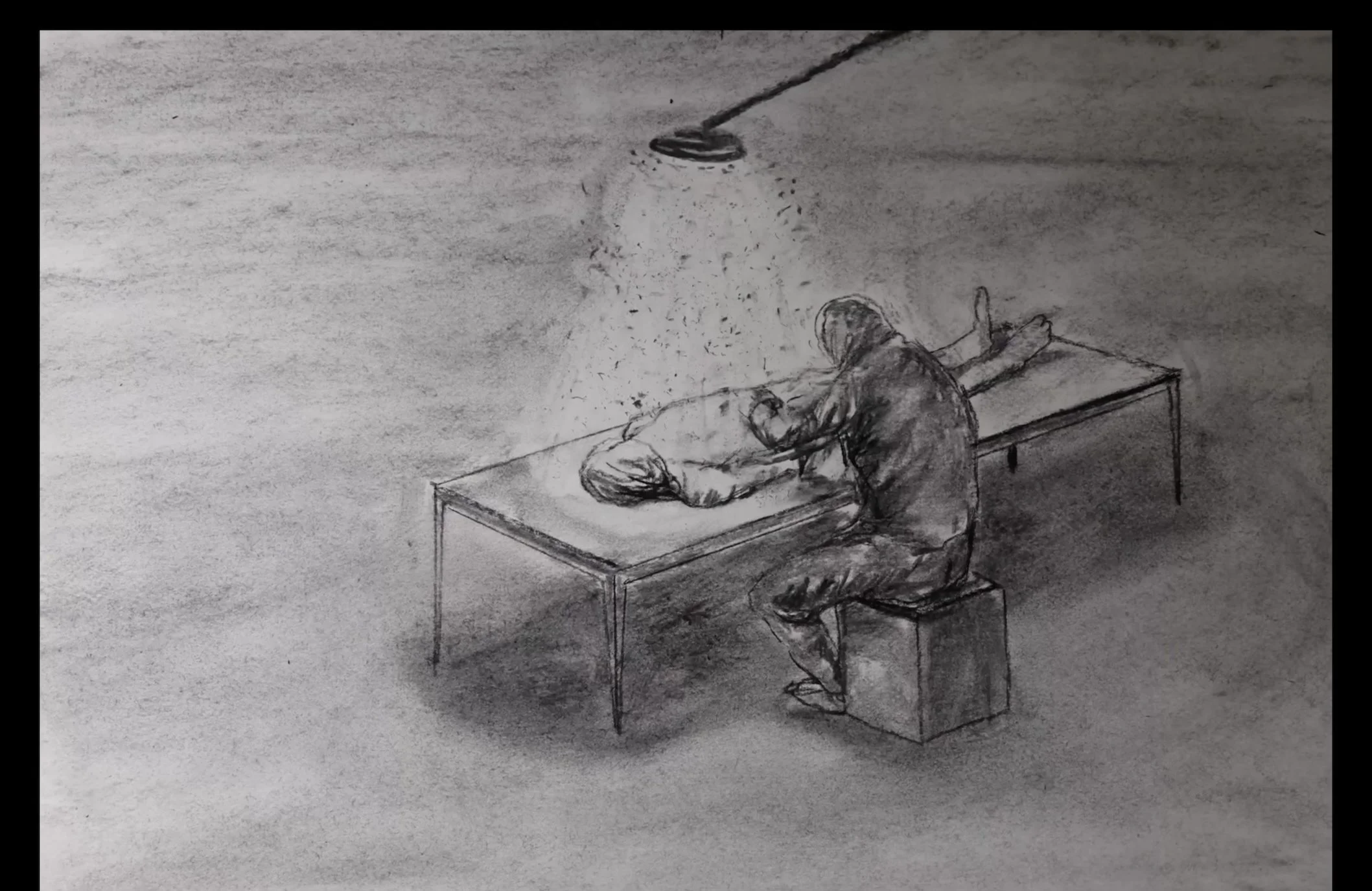
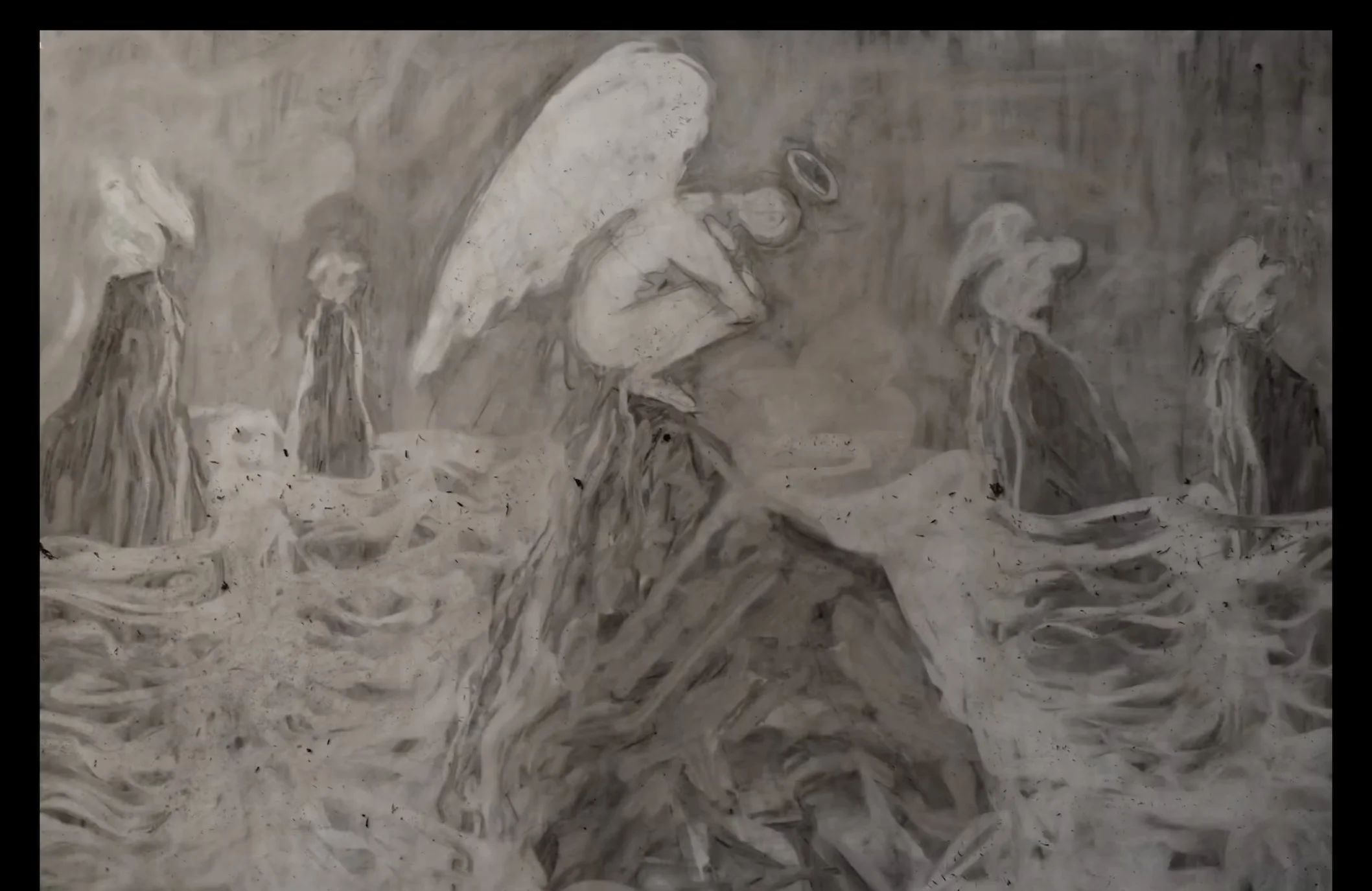
응우옌 쩐 남(Nguyễn Trần Nam)이 얼굴 없는 인간 형상을 그려낼 때, 그들은 빛과 스스로의 폐기물로 이루어진 세계 속에서 떠오르고 가라앉는다. 그의 연필은 1990년대 후반부터 2000년대 초반에 이르는 중요한 시기에 회화와 스톱모션 작업에서 유통되던 도발적인 이미지를 다시 불러낸다. 당시 예술가들은 Nhà Sàn Studio에 모여 비디오, 퍼포먼스, 설치라는 새로운 언어를 탐구했고, 이는 도시 최초의 현대미술 세대를 형성하는 계기가 되었다. 새로운 예술 매체에 대한 이러한 실험은 Đổi Mới(도이머이, 개혁·개방 정책) 이후 베트남 사회·경제적 변화에 대한 예술적 응답이었다.
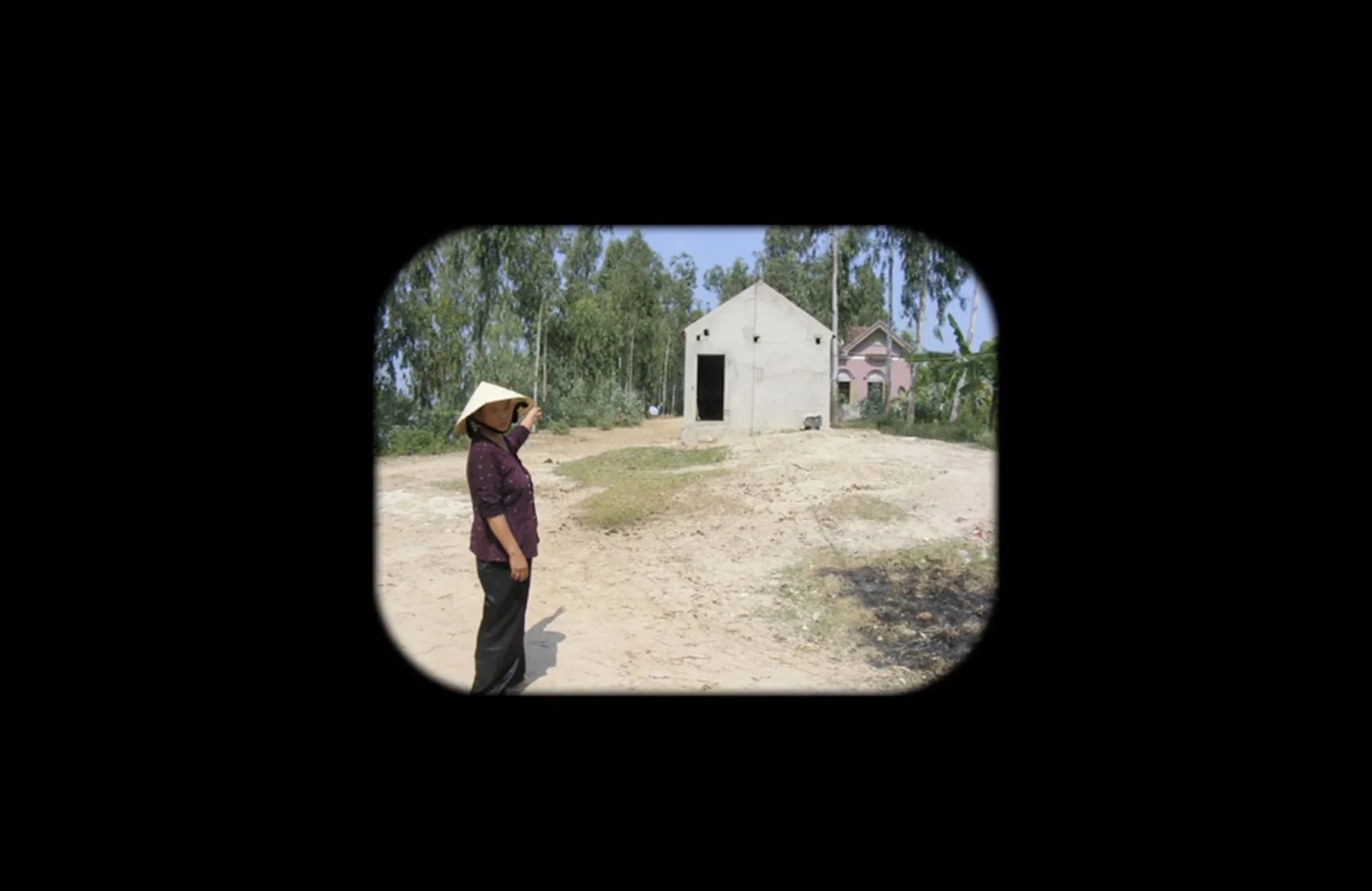
카메라가 점차 보급되면서 비디오는 Nhà Sàn의 퍼포먼스 예술을 기록하는 매체로 활용되기 시작했고, 이를 통해 NSC 예술가 공동체 안에서 세대를 넘어 이어지는 친밀한 실천이 다시 포착되었다. 이제 퍼포먼스의 한 장면은 움직이는 이미지 자체의 재료가 된다. 신체는 섬세한 시선과 예민한 감각을 통해 바라보아야 할 대상으로 제시된다. 응우옌 찐 티(Nguyễn Trinh Thi)의 작업에서는 저널리즘 아카이브 영상 속 익명의 인물들이 마치 퍼포먼스 예술가와 같은 존재가 되며, 그들의 신체는 반복되는 동일한 몸짓을 통해 모호한 의미를 드러낸다.
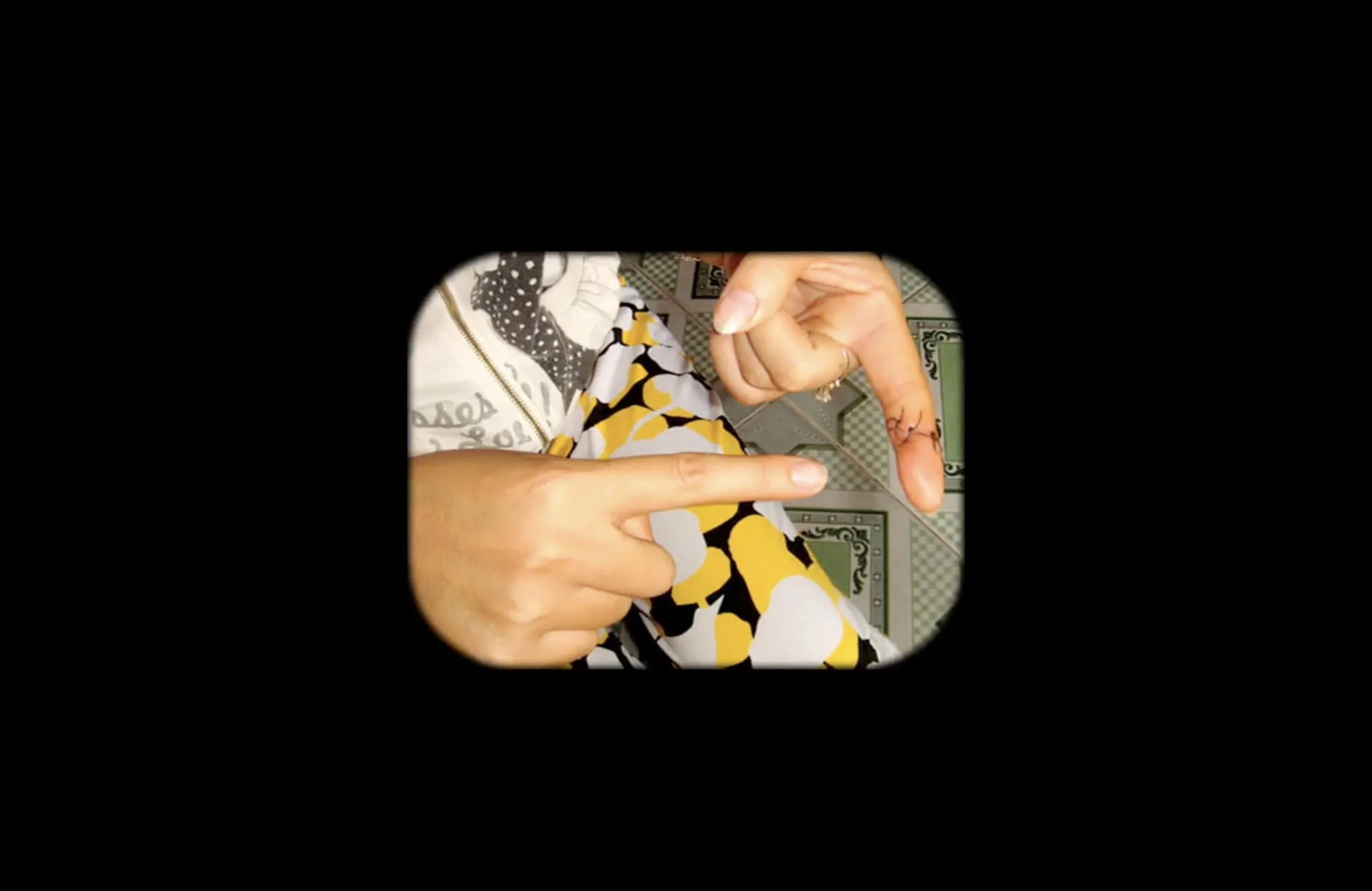
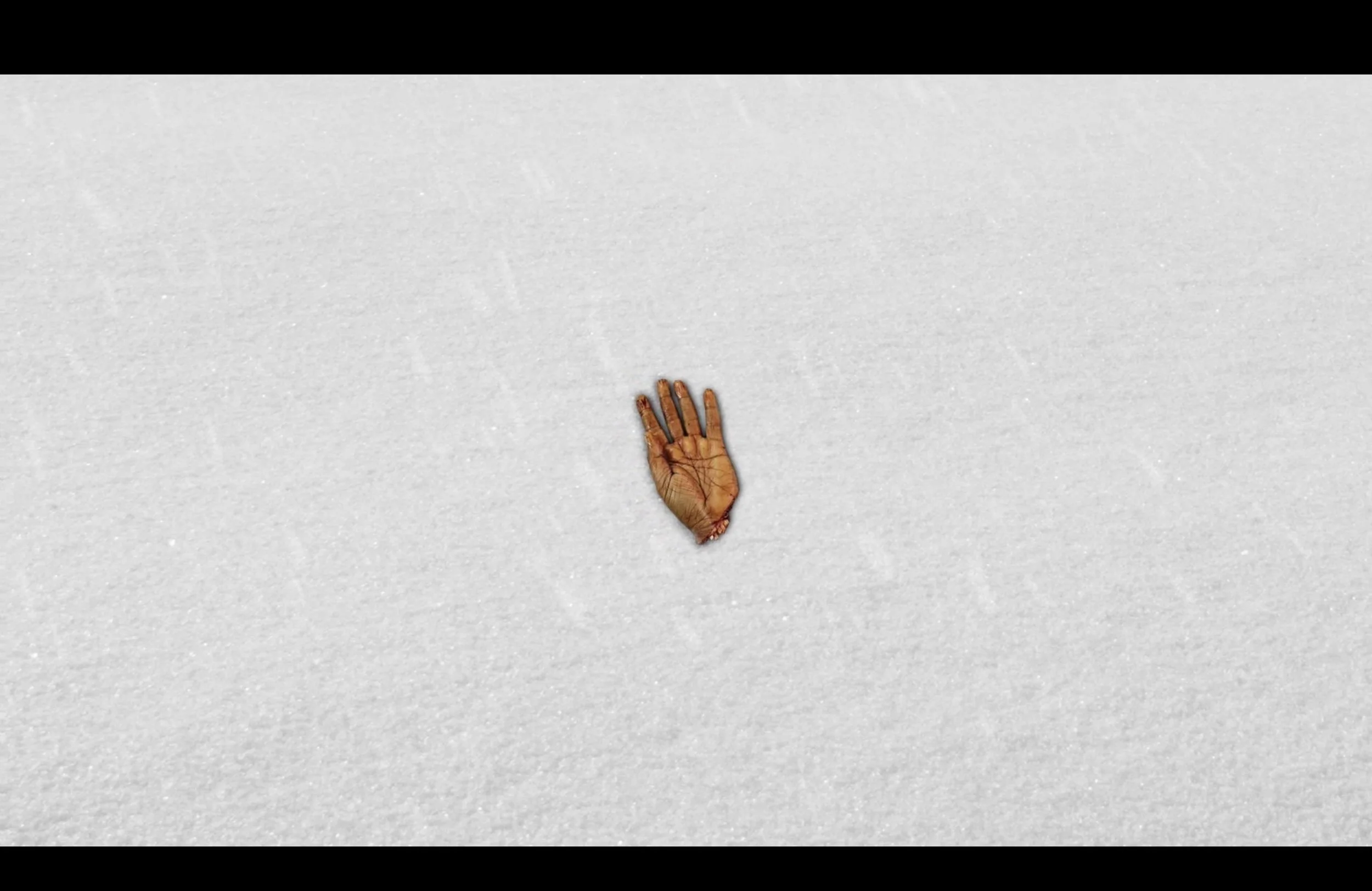
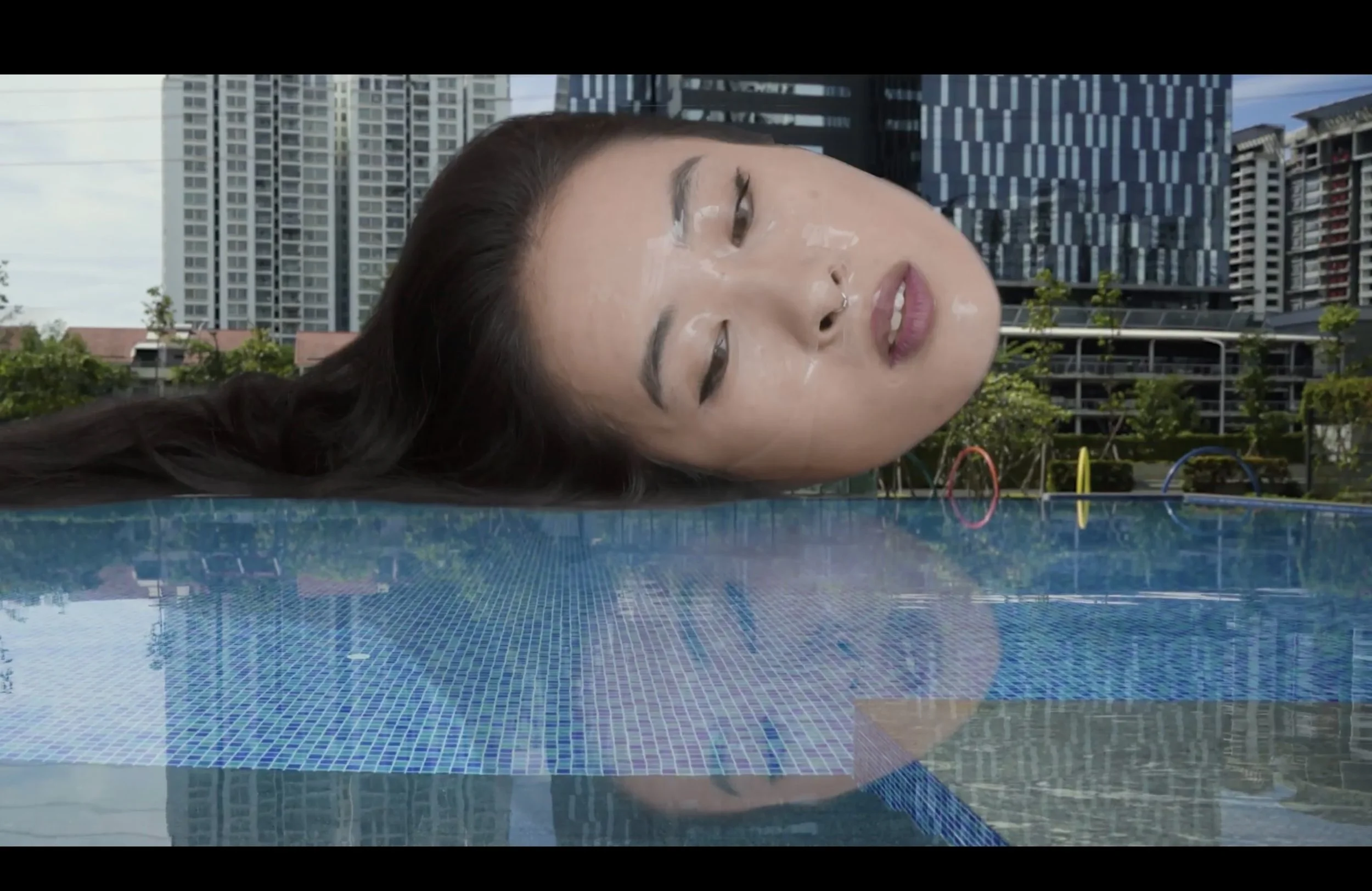
한편, 이 섹션에 소개된 여러 작품에는 '절단(cutting)'이라는 행위가 공통적으로 관통한다. 수술대, 거대한 머리, 경련하는 귀, 얼어붙은 손, 벌거벗은 엉덩이. 프엉 린(Phương Linh)과 꾸인 동(Quỳnh Đồng)은 이미지 중첩과 크로마키 기법을 활용해 여성의 신체와 그 파편들을 분리하고 해체한다. 이러한 조작은 한 작품에서는 고대 전쟁 설화를, 다른 작품에서는 베트남의 이주 역사를 시간의 실처럼 엮어낸다. 그 과정에서 고통은 신체적이면서도 정신적인 감각으로 피할 수 없이 다가온다.
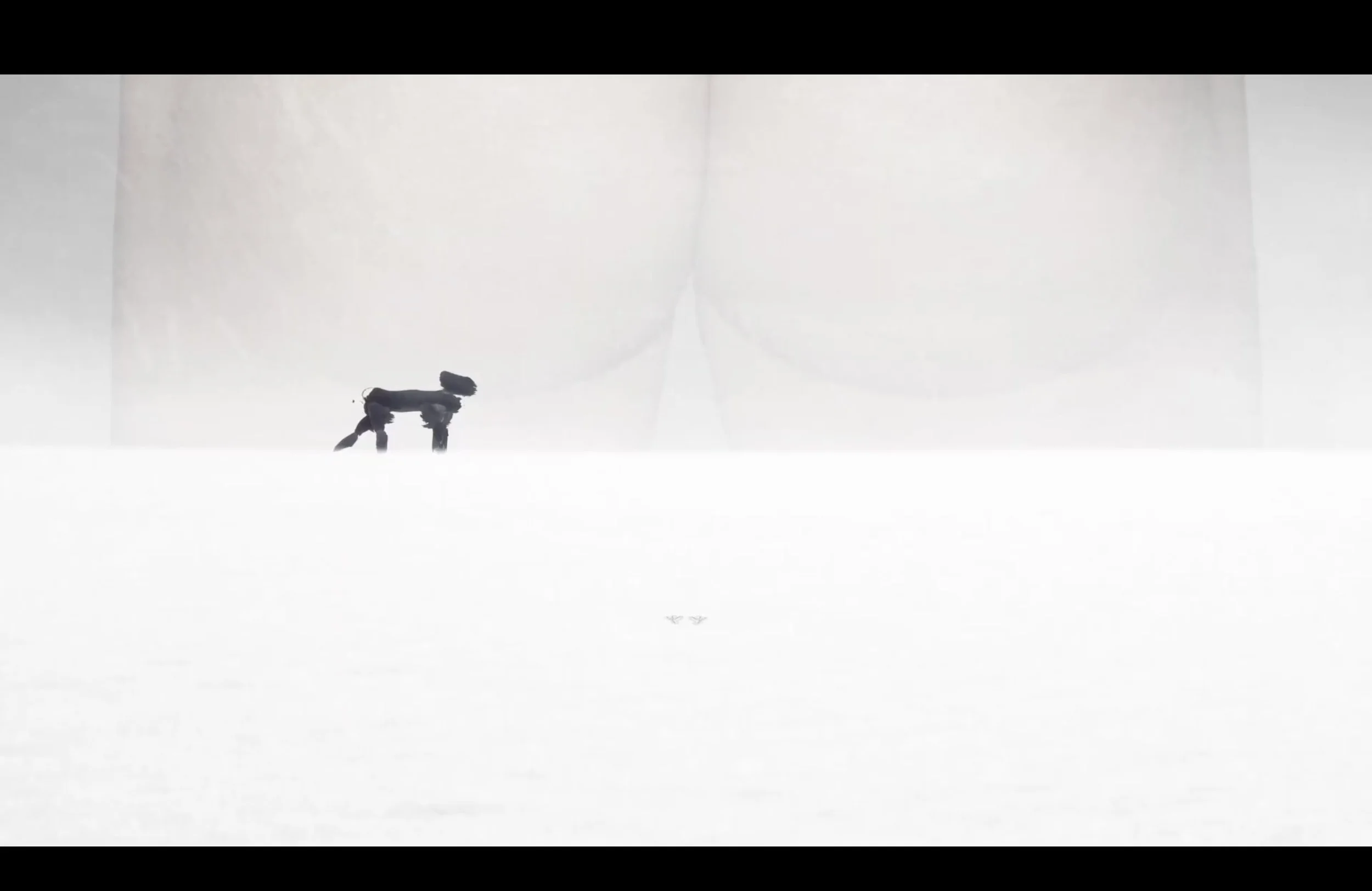
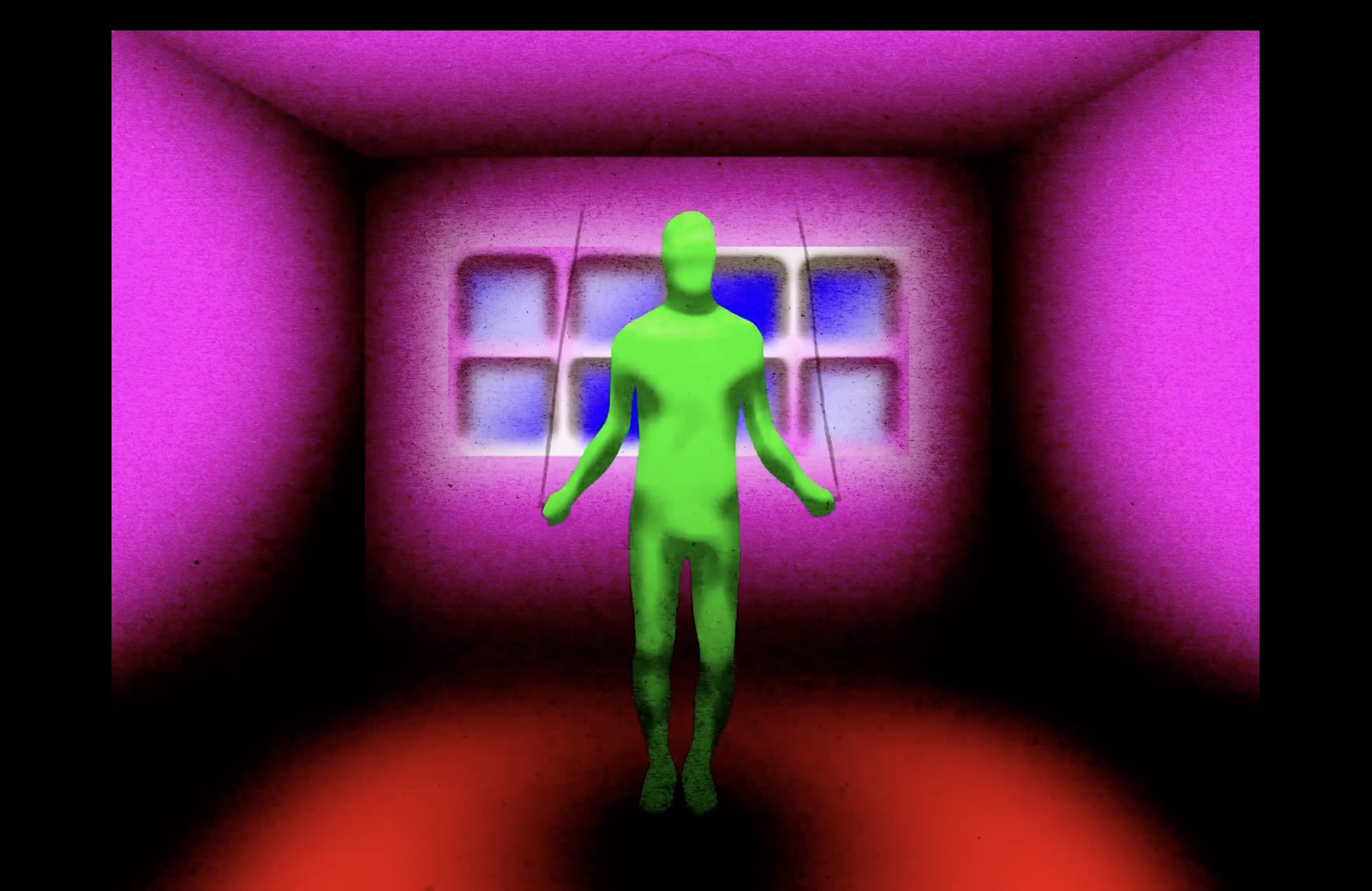
또 다른 한편에는 부재로 특징지어지고 어떤 참조 대상도 없는 인공적인 세계가 존재한다. 그곳에서는 물질적 존재 자체가 질문받으며, 고립된 개체들은 끊임없이 스스로를 지워가거나 다른 형태로 변모하기 직전의 상태에 놓여 있다. 이러한 이미지는 오늘날의 신진 작가인 레 쑤언 띠엔(Lê Xuân Tiến)과 응우옌 득 후이(Nguyễn Đức Huy)가 컴퓨터 소프트웨어만을 통해 구축해 낸 세계이다.
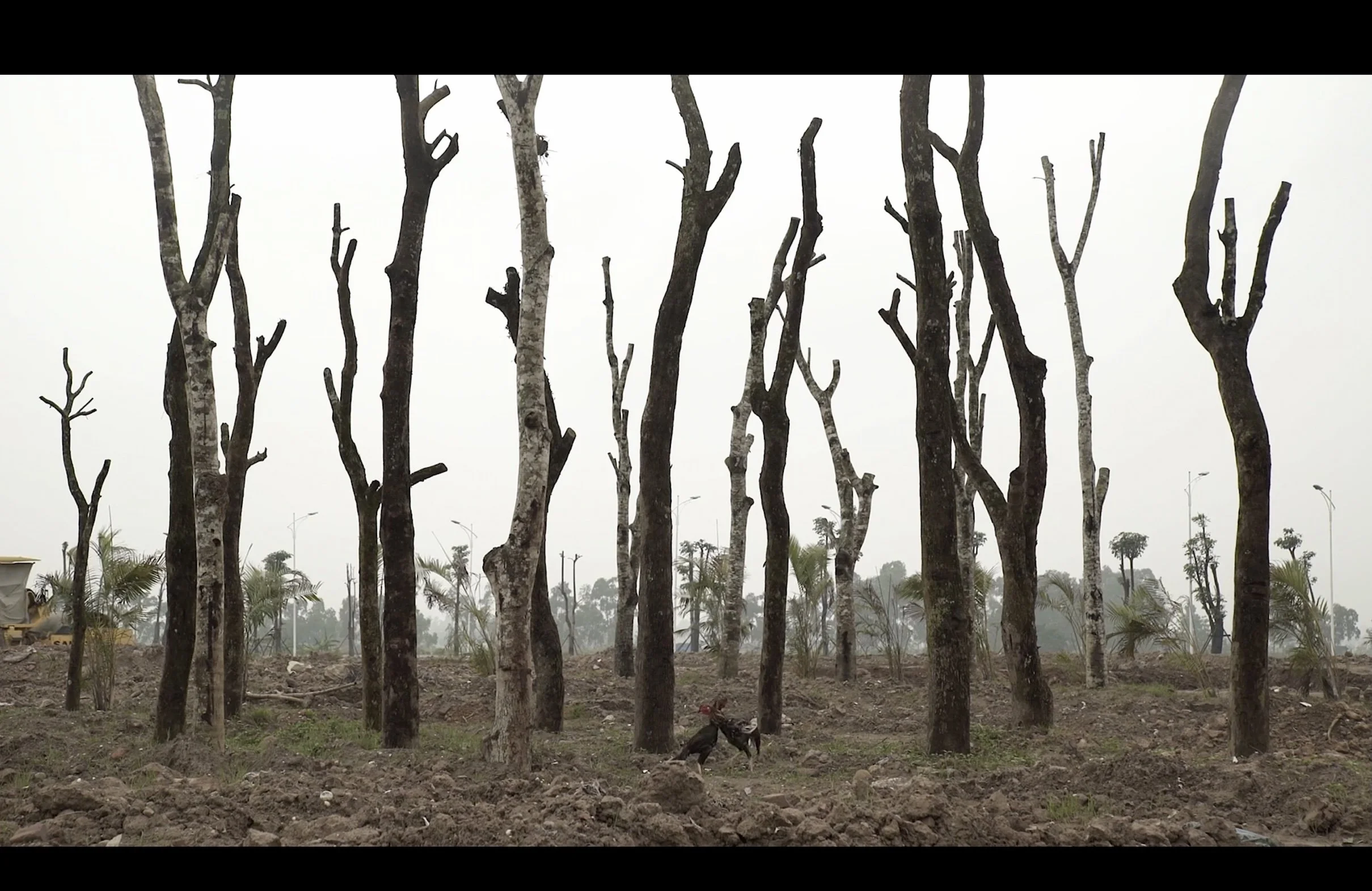
따 민 득(Tạ Minh Đức)의 인간이 연출한 풍경에서는 인간의 몸이 완전히 사라진다. 그러나 역설적이게도 그의 영상은 인간의 부재를 통해 오히려 인간의 존재를 더욱 선명하게 드러낸다. 이러한 역설은 이 연작에 참여한 작가들이 폭력을 어떻게 다루고 있는지를 보여준다. 그 폭력은 마치 서서히 녹아내리는 얼음덩이처럼 천천히 스며들고 퍼져나가며, 마침내 화면 전체를 뒤덮는다.
— 응우옌 꾸옥 타인(Nguyễn Quốc Thành) · 쯔엉 꾸에 치(Trương Quế Chi)
What image emerges from blinking? It cannot be clearly grasped, caught between seeing and not seeing. A body making its slightest and swiftest movement, or a stop of its motion. Blinks are a repeated movement, each a scene change.
BLINKING is the second section, alongside a section called SLEEP AND BEHOLD, conceived at the invitation of EXiS for this edition. If SLEEP AND BEHOLD gives us a sense of the specific creative environment of Nhà Sàn Collective (NSC)'s community artists in Hanoi, then BLINKING is a spectrum of images emerging from those very people, echoing the Nhà Sàn spirit over the years.
When Nguyễn Trần Nam draws his faceless human figures, they rise and fall in a world of light and their own waste. His pencil carries us back to the provocative imagery found in the paintings and stop-motion works circulated during the critical years of the late 1990s to the early 2000s. At that time, artists gathered in Nhà Sàn Studio and explored the languages of video, performance, and installation, and then became the city's first wave of contemporary artists. In experimentation with new artistic mediums is achieved a response to the country's socio-economic transformation during Đổi Mới, the Renovation period.
As cameras became more accessible, video started being used to document Nhà Sàn's performance art events, recapturing an intimate practice among NSC's artist community across generations. Now, a scene from a performance can be used as material specific to the moving-image medium. Bodies are to be seen through a particular attentiveness and awareness, with a subtle gaze. In Nguyễn Trinh Thi's work, anonymous people in journalistic archival footage take on the status of performance artists; their bodies offer ambiguous meanings through the same repeated gesture.
On the other side, the gesture of cutting is implemented throughout the works presented in this section: an operating table, a giant head, a twitching ear, a frozen hand, a naked butt. Employing the techniques of image superimposition and chroma-keying, Phương Linh and Quỳnh Đồng dislocate the female bodies and their fragments. This operation renders a thread that is temporal, from an ancient wartime legend in one work and the migration history of Vietnam in the other. The feeling of pain becomes inevitable, physical, and mental.
There's another artificial world, marked by absence and without reference, where material presence is interrogated, and isolated entities are always on the verge of erasing themselves, or of preparing to be transformed. They are created by Lê Xuân Tiến and Nguyễn Đức Huy, emerging artists of today who have constructed their imagery entirely through computer software.
The human body disappears totally in Tạ Minh Đức's human-staged landscape. Yet humorously, his video makes the presence of humans all the more apparent. This paradox reveals how the artists in this series deal with violence, which resembles a block of ice slowly thawing, gradually seeping and spreading across the entire surface.
-Nguyễn Quốc Thành & Trương Quế Chi
@ 한국영상자료원 시네마테크KOFA 2관 Korea Film Archive Cinematheque KOFA Theater 2
[ASIA FORUM 1~2]