
오늘이 흘러 어제를 만나면_When Today Flows into Yesterday_주다은_Daeun Joo
오늘이 흘러 어제를 만나면_When Today Flows into Yesterday_주다은_Daeun Joo
South Korea, Germany / 2025 / Color / Sound / 14 min
2026년 7월 25일(토) 오후 1시 (60 분) GV
Sat. Jul 25, 2026 at 1:00pm (60 min) GV
@ 서울영화센터 3관 Seoul Film Center Theater 3
2026년 7월 29일(수) 오후 7시 (60분) GV
Wed. Jul 29, 2026 at 7:00pm (60 min) GV
@ 한국영상자료원 시네마테크KOFA 2관 Korea Film Archive Cinematheque KOFA Theater 2
Description
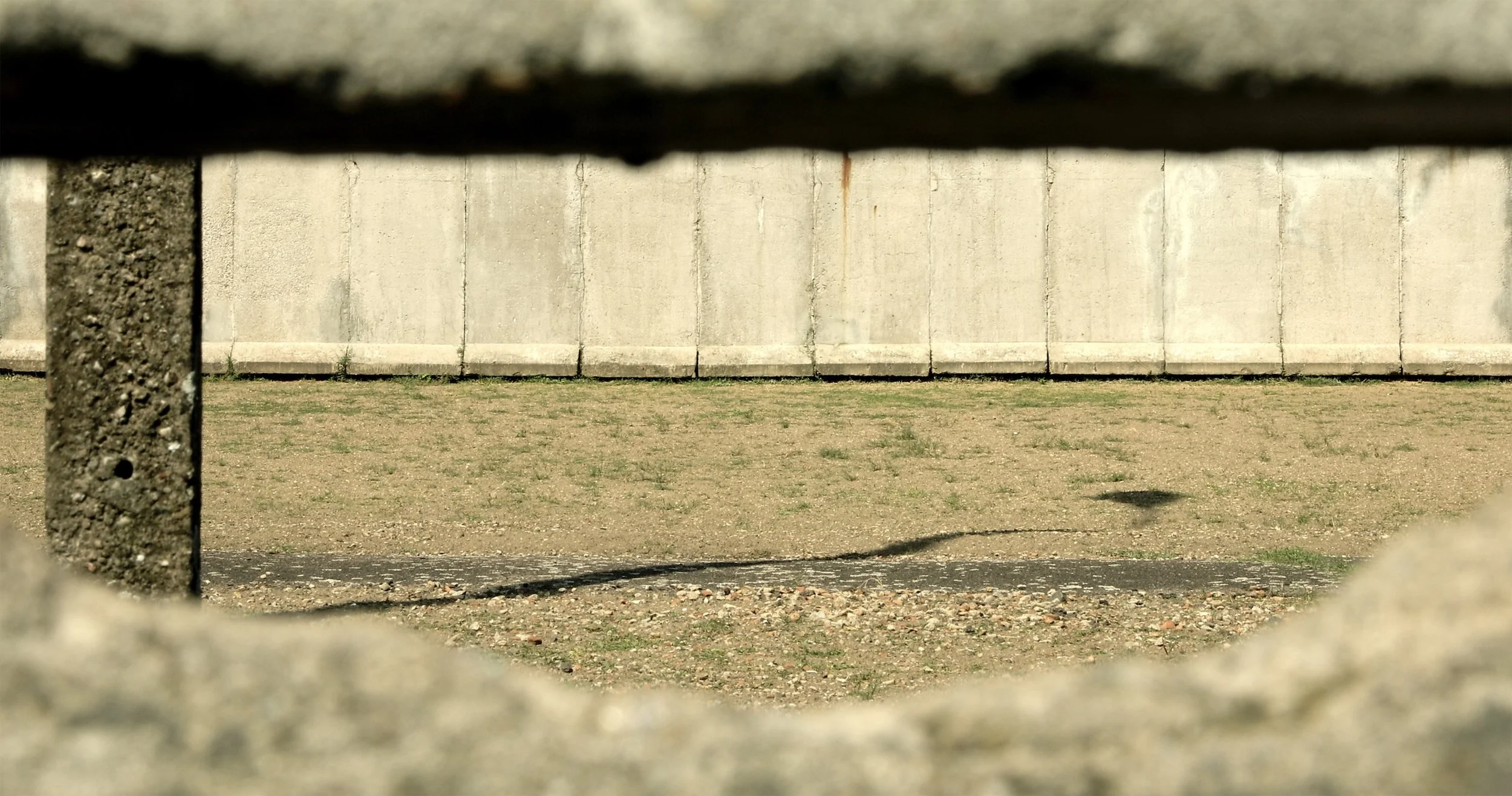
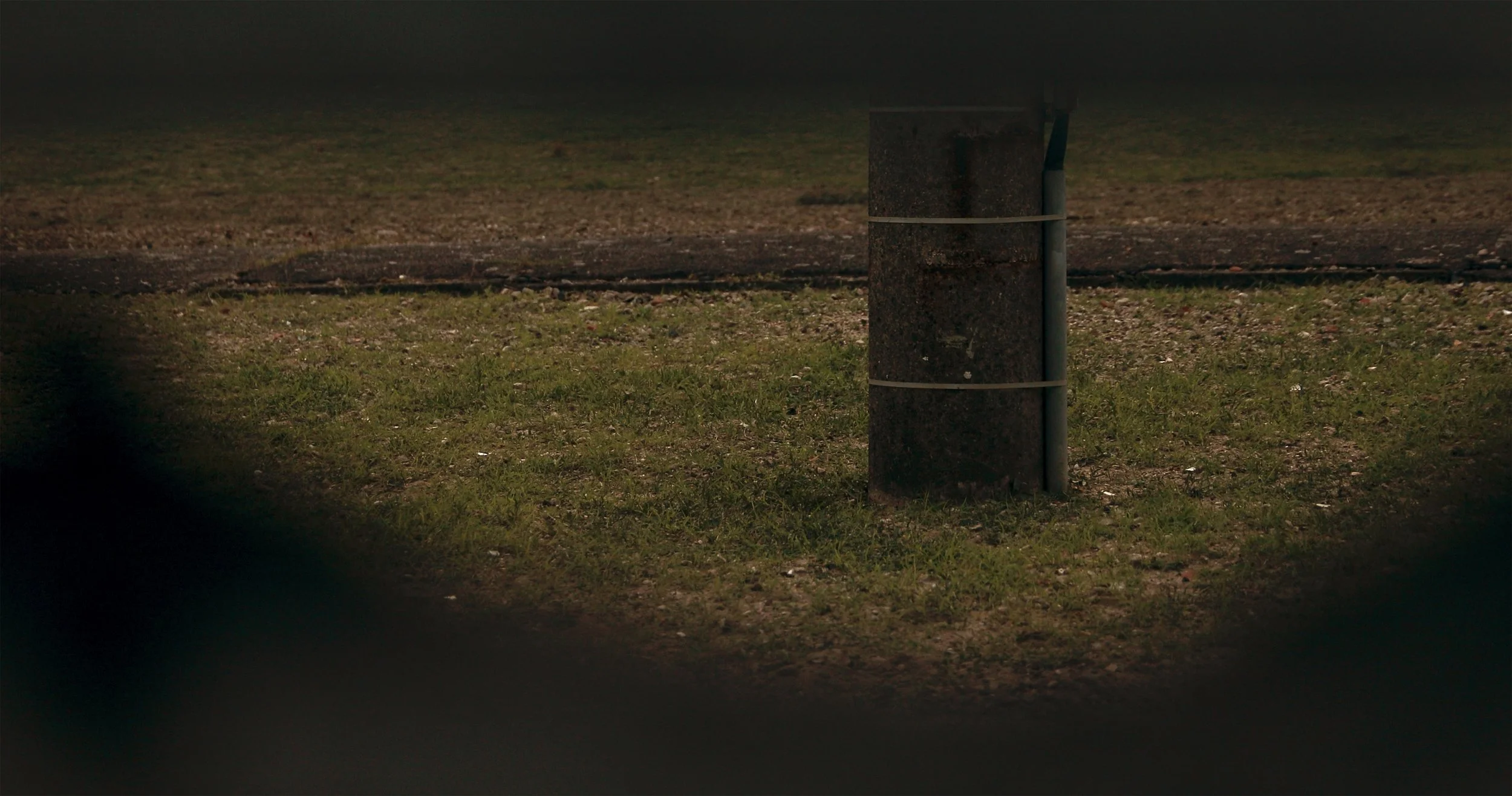
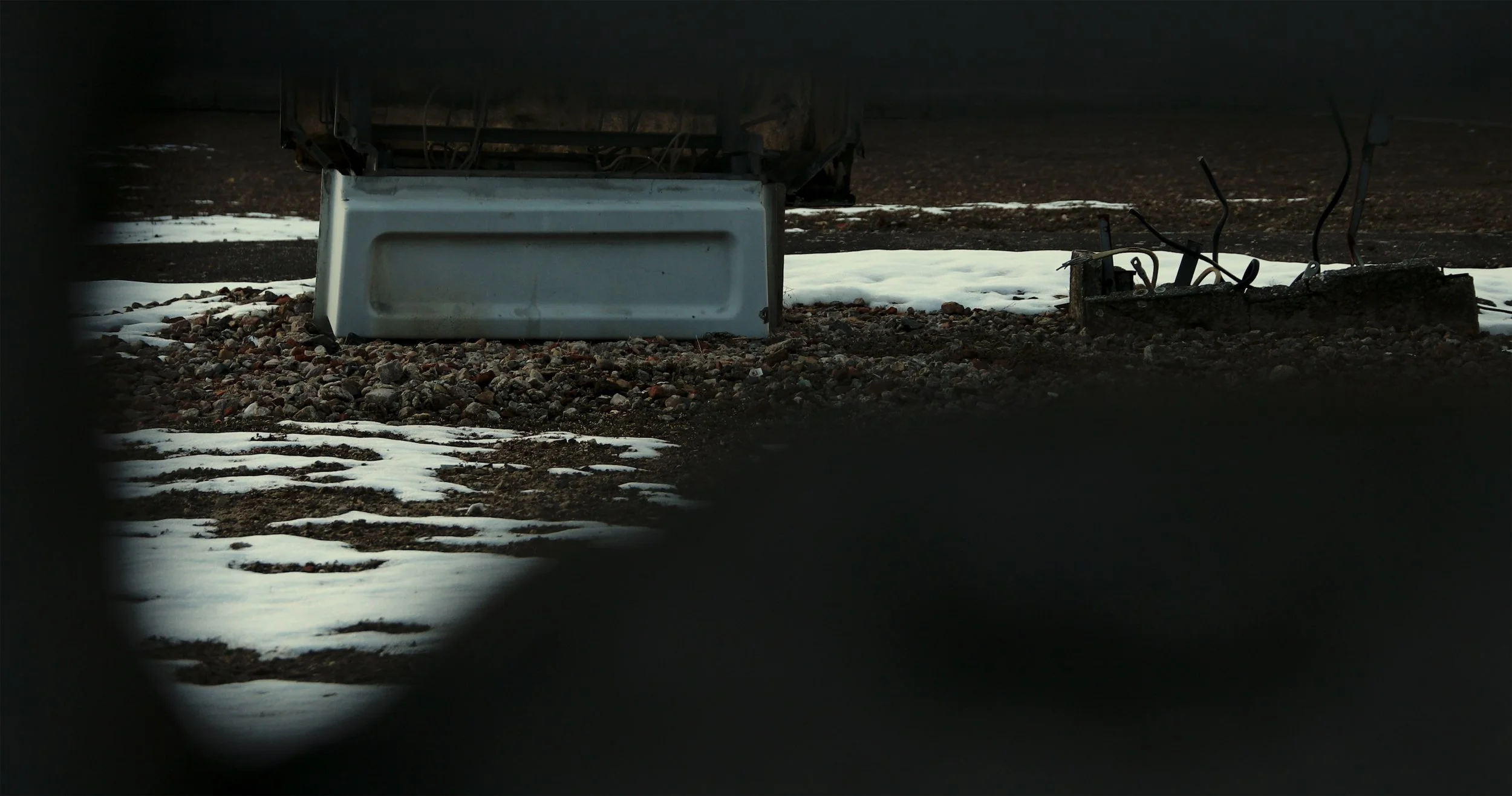
제2차 세계 대전(1939~1945) 이후 독일 분단으로 서베를린 장벽과 동베를린 장벽이 세워지고, 두 장벽의 사이공간인 ‘죽음의 띠’(Death Strip, 1961~1989)가 형성되었다. ‘죽음의 띠’는 한반도의 비무장지대와 닮은 역사를 지니고 있으며, 감시와 차단, 그리고 수많은 죽음을 품은 땅이다. 영상은 베를린 베르나우어 거리(Bernauer Street)에 남겨진 ‘죽음의 띠’를 1년여간 고요히 응시하며 겹겹이 쌓여가는 시간의 층을 담는다.
Following the division of Germany after the Second World War (1939–1945), the Berlin Wall separated West and East Berlin, creating the Death Strip (1961–1989), the no-man's-land between the two walls. Much like the Korean Demilitarized Zone (DMZ), the Death Strip bears a history marked by surveillance, exclusion, and countless deaths. Filmed over the course of more than a year, the work quietly observes the remaining Death Strip along Bernauer Street in Berlin, capturing the layers of time that gradually accumulate upon the land.
Bio
"daeunjoo.com |
주다은은 서울과 베를린을 기반으로 활동한다. 부재한 존재, 사건, 장소를 남겨진 기억과 기록을 통해 현실로 소환한다. 사실에 기반한 기록을 예술적 상상과 결합시키며 실재와 허구가 공존하는 서사를 만든다. 영상, 소리, 조각, 설치 등 다양한 매체를 통해 적층된 시간과 기억을 시청각적 언어로 번역한다. 그렇게 경계 너머의 시공간과 기억의 풍경을 새롭게 재구성한다.
서울시립미술관 신진미술인에 선정되어 첫 개인전 《흩어진 기별》(평화문화진지, 서울, 2025)을 선보였다. 이외 서울과 베를린에서 여러 단체전에 참여했다: 《More Strange Things》(Silent Green, 베를린, 2024), 《아티언스 대전》(대전예술가의 집, 2023), 《Our Data Bodies》(Halfsisters, 베를린, 2023), 《내밀한 추동》(SeMA 창고, 2022), 《스케일, 스캐닝》(성북예술창작터, 2020), 《글로벌 위크》(문화비축기지, 2020), 《아트하우스 게임 - 서울정원》(아르스 일렉트로니카, 린츠, 2020). 서울국제뉴미디어 페스티벌(NeMAF)에서 전시-멀티스크리닝 부분 수상(2019)을 한 바 있다."
daeunjoo.com | Daeun Joo is an artist based between Seoul and Berlin. Her work evokes absent beings, events, and places through memory and archival traces. By weaving factual records together with artistic imagination, she creates narratives where reality and fiction coexist. Working across moving image, sound, sculpture, and installation, she translates layered experiences of time and memory into audiovisual language, reimagining landscapes of memory and spatiotemporal realms beyond the visible.
Selected as an Emerging Artist by the Seoul Museum of Art(SeMA), Joo presented her first solo exhibition, Scattered Messages, at Peace Culture Bunker in Seoul (2025). Her work has also been presented in numerous group exhibitions in Seoul and Berlin, including More Strange Things at Silent Green, Berlin (2024); Artience Daejeon at Daejeon Artists' House (2023); Our Data Bodies at Halfsisters, Berlin (2023); Intimate Impulse at SeMA Storage (2022); “Scale, Scanning” at Seongbuk Art Studio (2020); Global Week at Oil Tank Culture Park (2020); and Art House Games – Seoul Garden at Ars Electronica, Linz (2020). In 2019, she received the Exhibition–Multi Screening Award at the Seoul International NewMedia Festival.