
창가에서 편지 읽는 소녀_Girl Reading a Letter at an Open Window_장 클로드 루소_Jean-Claude Rousseau
창가에서 편지 읽는 소녀_Girl Reading a Letter at an Open Window_장 클로드 루소_Jean-Claude Rousseau
France / 1983 / Color / Sound / 45 min
2026년 7월 24일(금) 오후 1시 (81 분)
Fri. Jul 24, 2026 at 1:00pm (81 min)
@ 국립현대미술관 서울 MMCA영상관 MMCA Seoul FILM & VIDEO
2026년 7월 29일(수) 오후 6시30분 (81 분)
Wed. Jul 29, 2026 at 6:30pm (81 min)
@ 국립현대미술관 서울 MMCA영상관 MMCA Seoul FILM & VIDEO
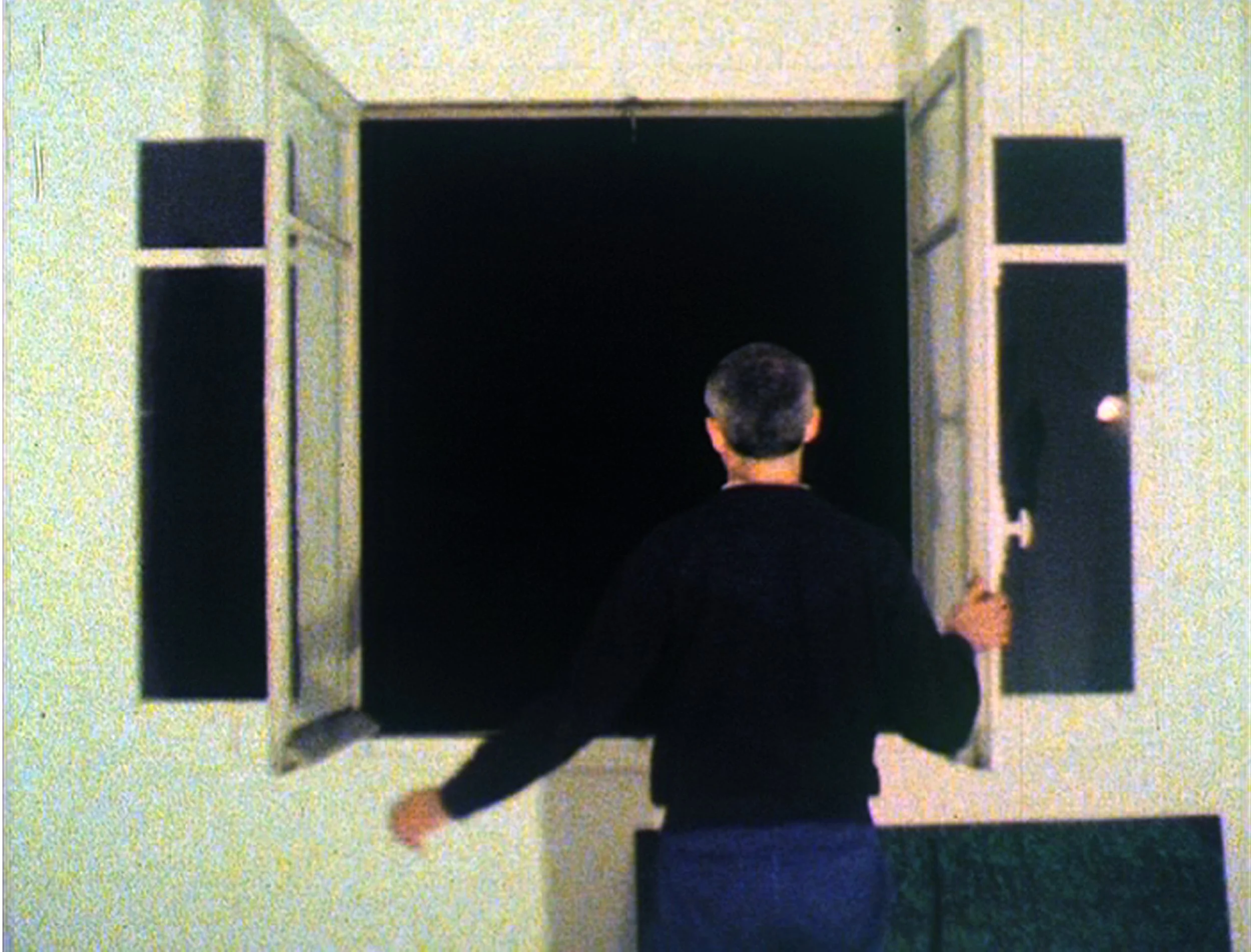
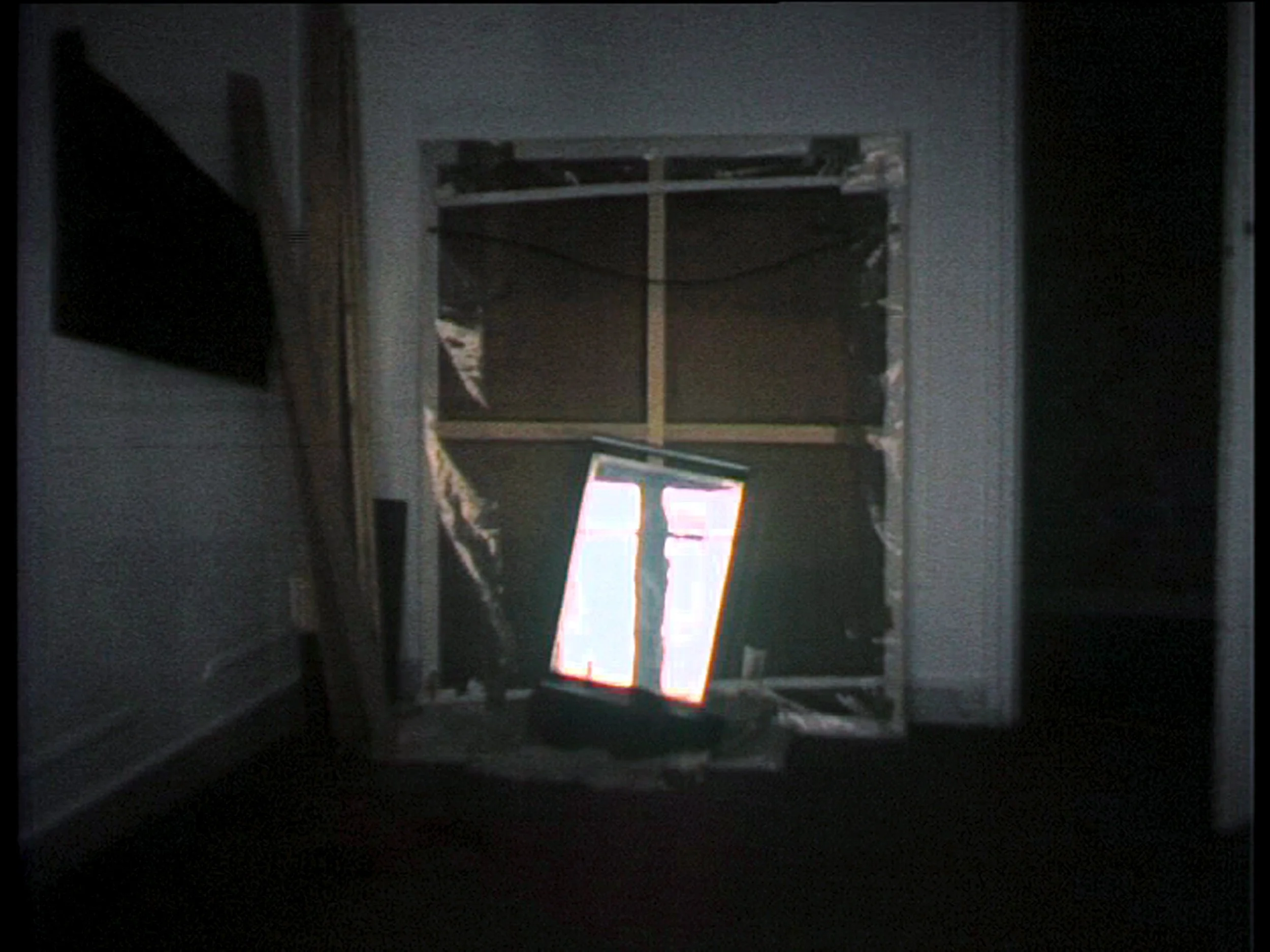
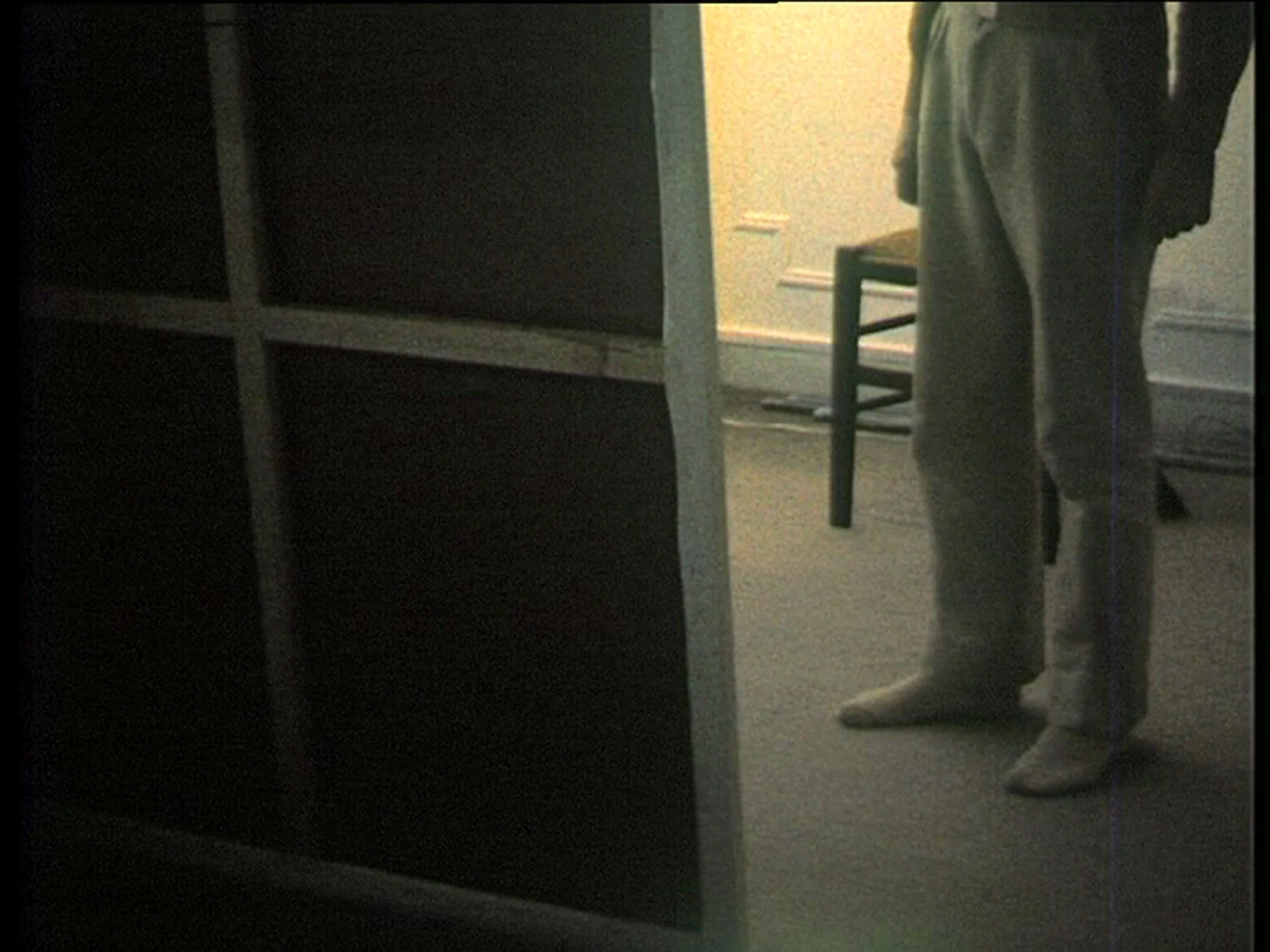
In Vermeer's painting, the light comes from a window through which we can't see the landscape. There appears a painting in the film which is only seen from behind. We don't know what it depicts. We can only see the cross of the frame. The film ends on this reflexion. The Window is identified as the work of art, the place light passes through. Surpassing all limits to reach the light. Passing through the frame as one would go through the window. This is the film's aim, its illusion, its fiction. To finally become the figure in the painting. To be in the eternity of the frame. To disappear. Defenestration.
베르메르의 그림에서는 빛이 창문으로부터 들어온다. 그러나 그 창문을 통해서는 풍경이 보이지 않는다. 영화에는 오직 뒷면만 보이는 한 그림이 등장한다. 그 그림이 무엇을 보여주는지는 알 수 없다. 보이는 것은 액자의 가로세로 나무틀뿐이다. 영화는 이러한 사유로 끝난다. 창문은 작품과 동일시된다. 빛이 지나가는 장소로서. 빛에 이르기 위해 경계를 넘는 것. 창문을 통과하듯 액자를 통과하는 것. 그것이 영화의 욕망이자, 환영이며, 허구이다. 궁극적으로는 그림 속 형상이 되는 것. 액자의 영원 속에 존재하는 것. 그 속으로 사라지는 것. 창밖으로 던져지는 것.